07.10.2026
Angry Mountains and the Himalayan Tsunami: Why Indigenous Knowledge Matters
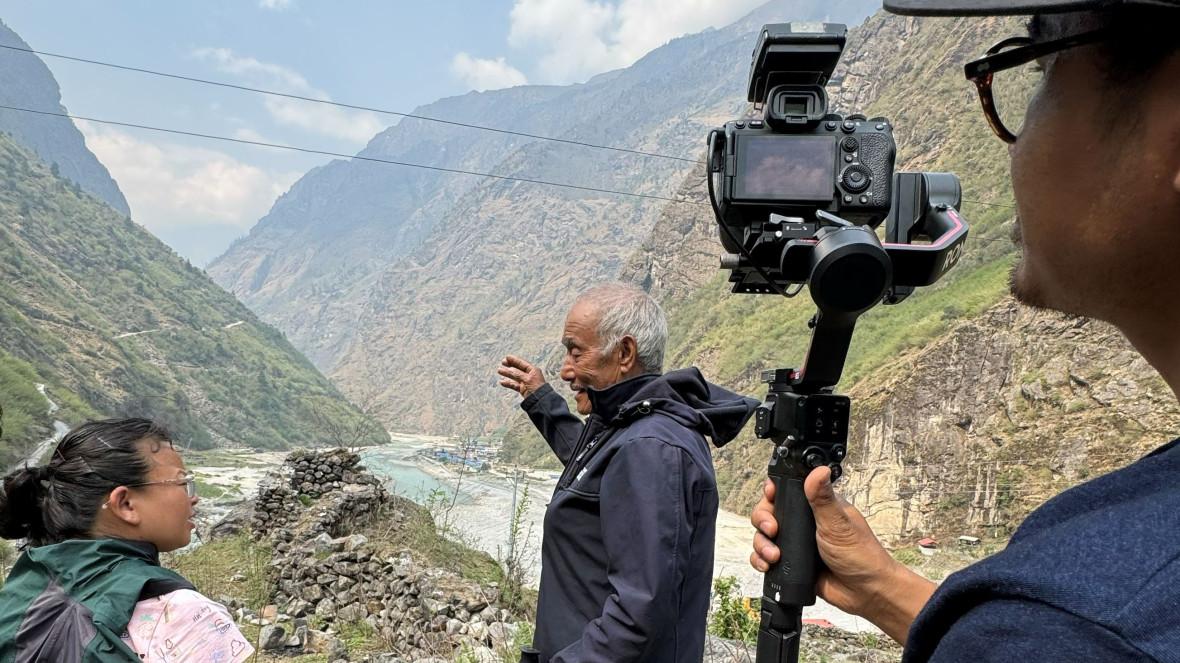
September 2004. We were a few days into the Langtang–Helambu trail when we heard one evening that several people had died in a landslide in Dhunche, the national park’s entry point. Twelve days later, back on the road to Kathmandu, our bus was stopped and checked by the army more than once. Nepali passengers had to step out while the few foreigners on board had to show their passports. Back at the hotel in Kathmandu, we learned that a car bomb had exploded in the city the day before we arrived. Nepal was still at war. Kathmandu itself had little reliable electricity then; families and businesses organised their lives around random power outages. I did not expect that, 19 years later, after spending most of my professional life in Latin America, I would return to the Himalaya, not for another long trek, but to learn from its rivers, its Indigenous communities, and the complexities of hydropower and energy transitions.