Asking the Land for Permission
17.08.2026
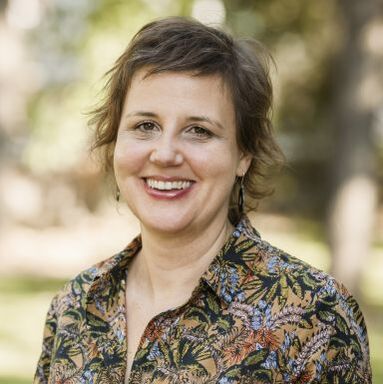
For over twenty years, my research has followed rivers, mountains and sacred sites across Guatemala, Ecuador, Colombia and Nepal, asking what changes when we treat these places not as a backdrop to human affairs, but as living participants. Together with Indigenous and non-Indigenous filmmakers, I recently co-created two documentaries under the European Research Council project RIVERS – Human Rights Beyond the Human?, asking how legal and ethical questions shift once land becomes an agent, not a natural resource. As the 2026 Klaus Töpfer Sustainability Fellow at RIFS, I am now turning that experience into practical ethical guidance for how researchers and artists can collaborate more responsibly. It starts with a very concrete question: How do you ask living land itself for permission?
Before we could start filming, the territory of Gonawindúa – better known as the Sierra Nevada de Santa Marta – had to agree.
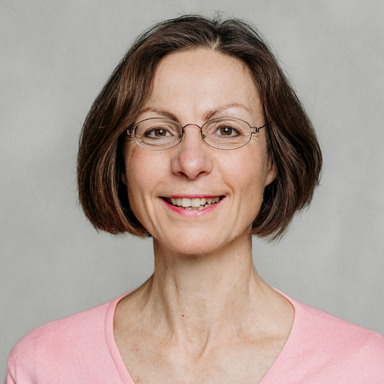
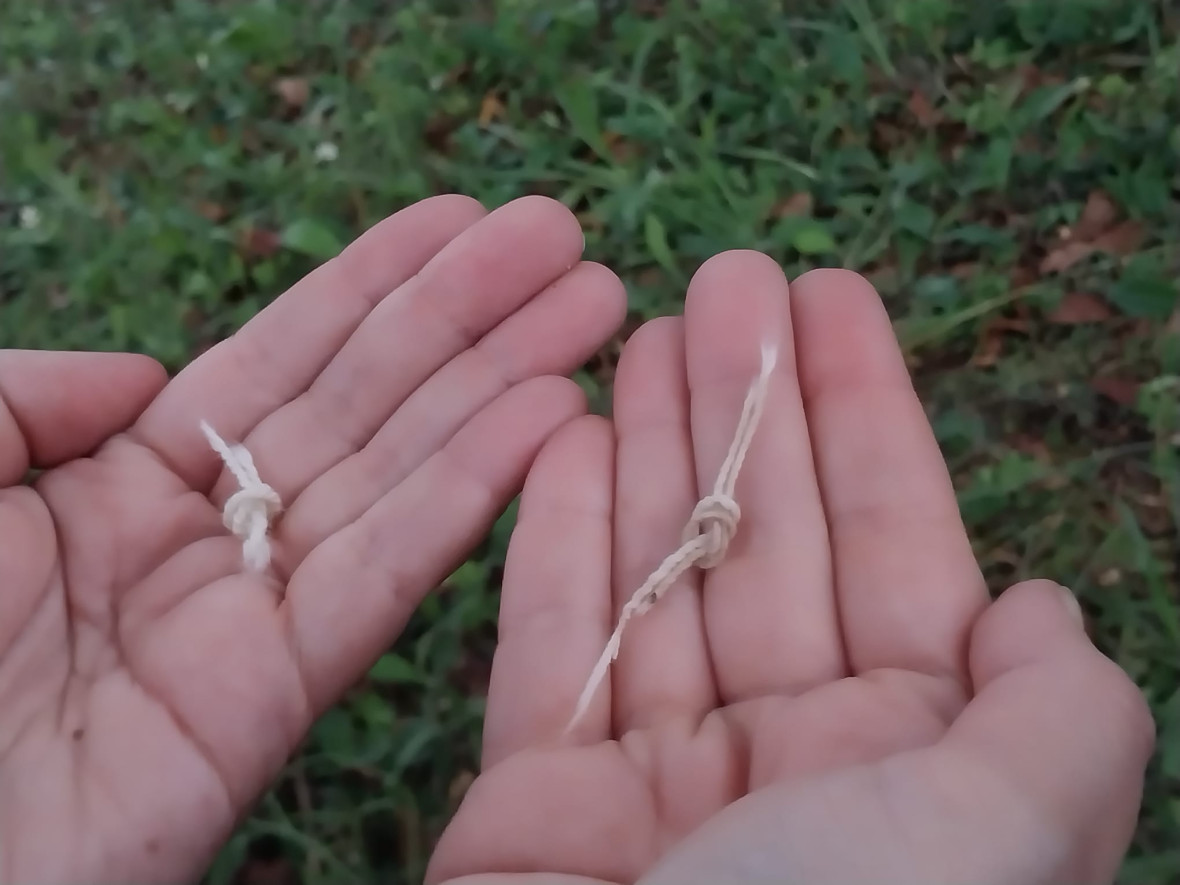
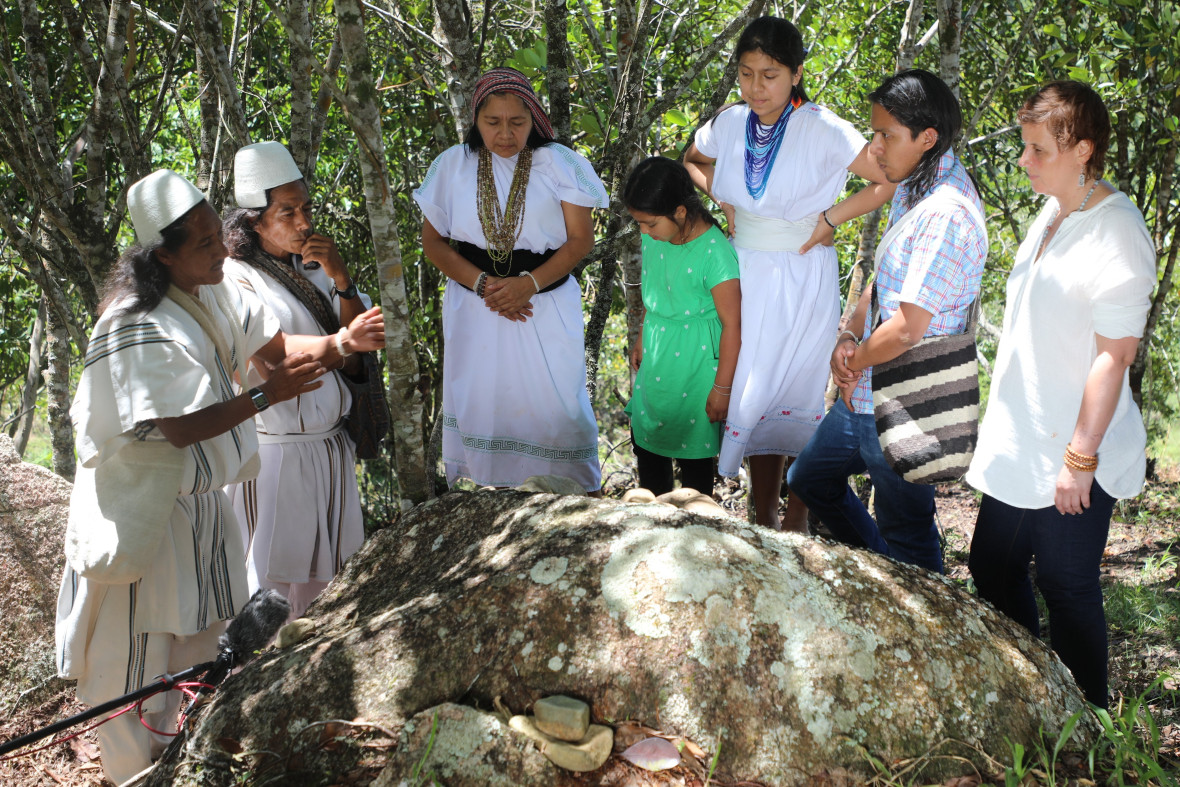
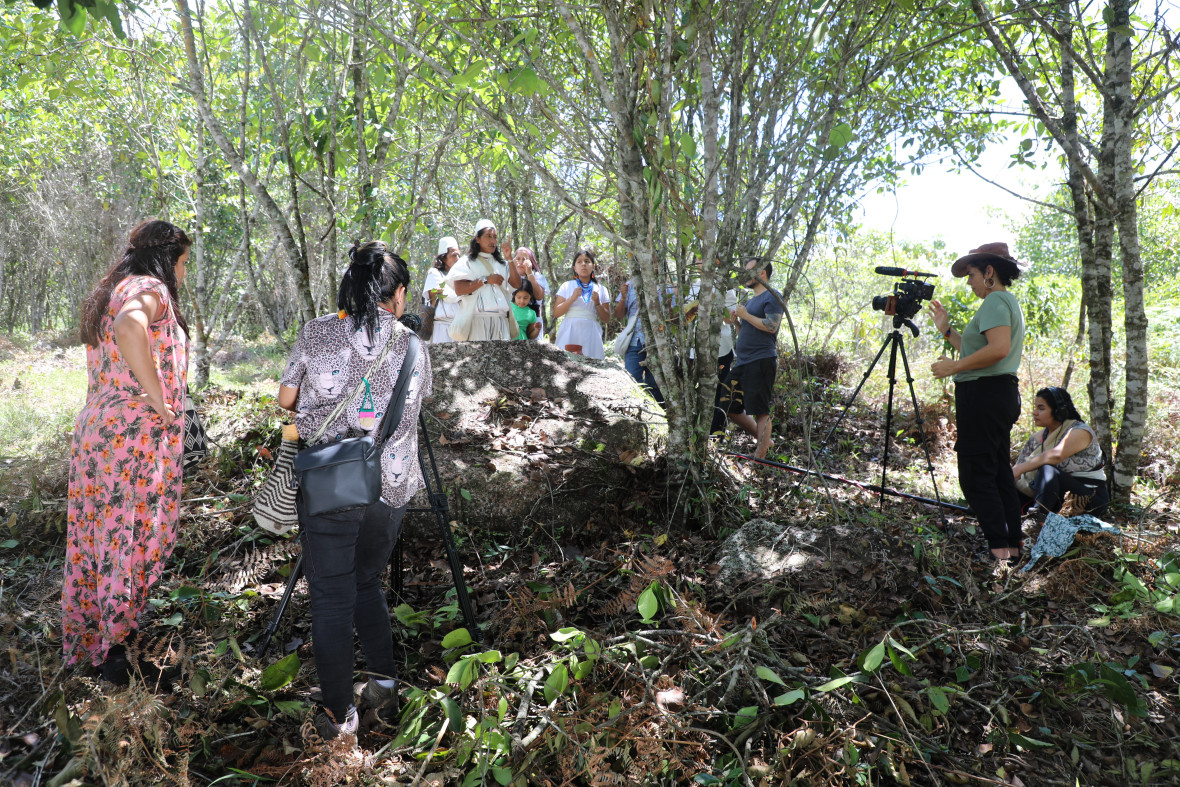
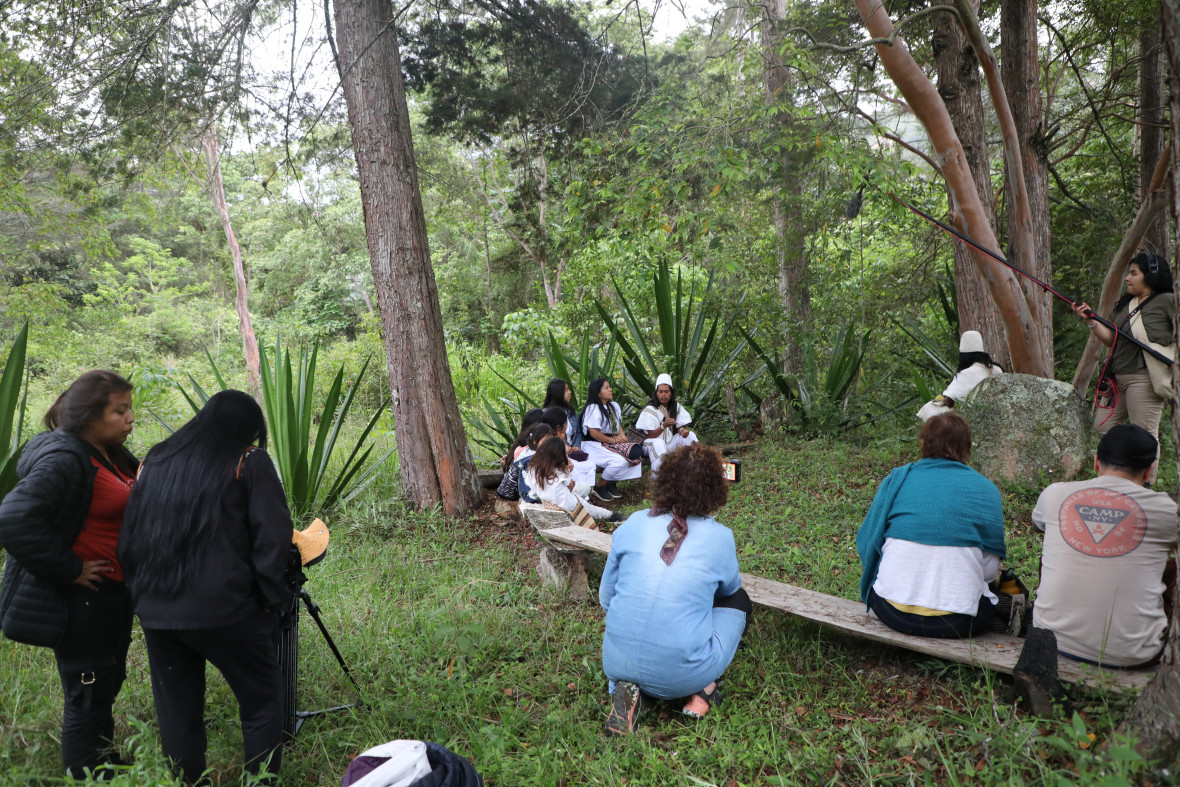
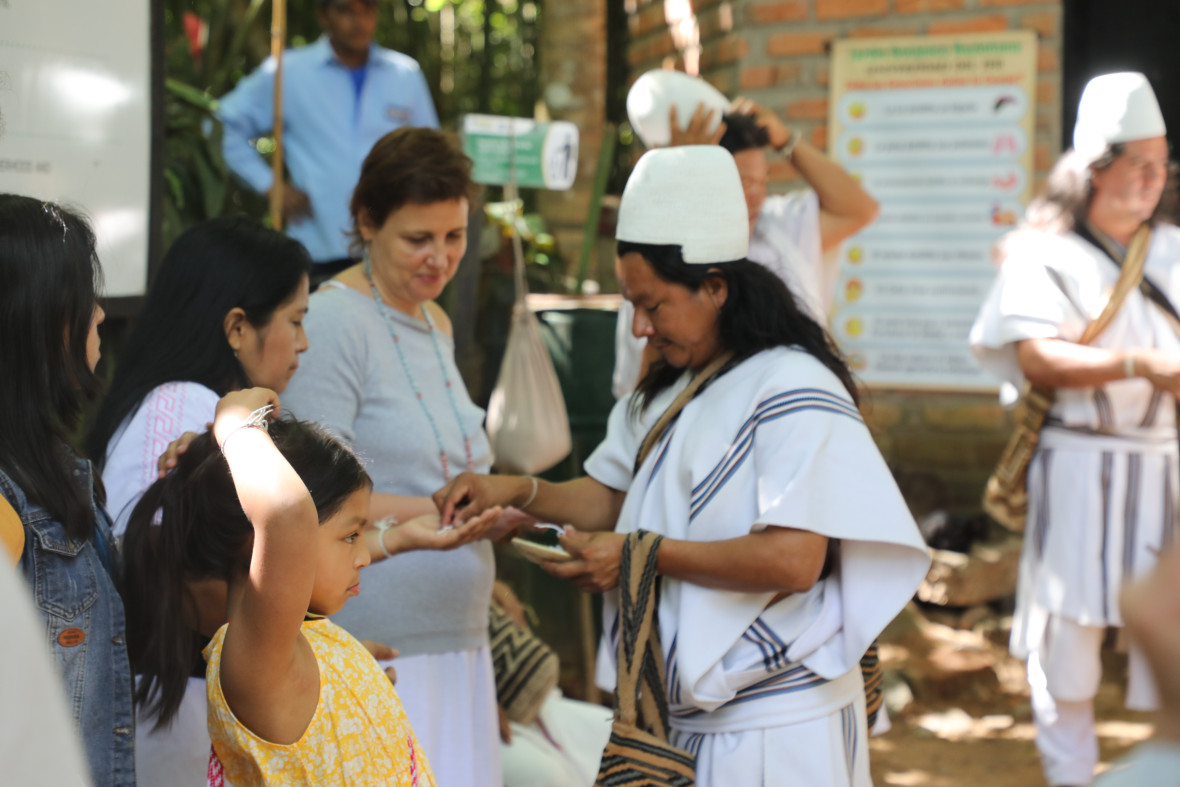
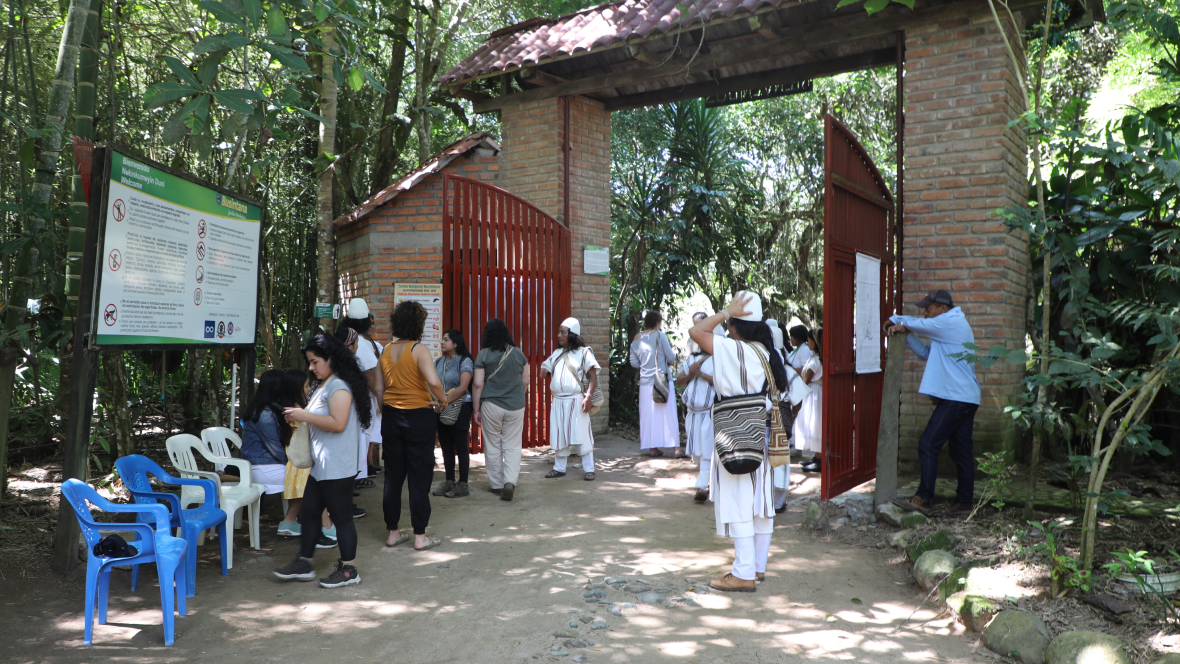
June, 2023. Standing barefoot on the bank of the Ariguani River in front of Busintana’s Botanical Garden, in Northern Colombia, I held a small ball of cotton in each hand. Around me stood our documentary crew and Judge Belkis Izquierdo Torres, whose legal decisions recognised Colombia's Territory as a victim of the armed conflict as part of her work at the Special Jurisdiction for Peace (know as JEP), a Peace Tribunal created as part of the 2016 Peace Agreements. We had come to film her story for our documentary Aty Seikuinduwa: Judge Between Worlds. But first, Mamo Menjabin, a spiritual leader of the Arhuaco-Ikᵾ people, asked us to pause.
We were not only entering a community. We were entering sacred and living land, and a living land does not grant access automatically, however good our intentions.
Mamo Menjabin told us to roll our fears and worries gently into the cotton, then offer them to the river and let the current carry them away. Only once we were cleansed could we cross into Arhuaco- Ikᵾ Territory and begin our work. The ritual took perhaps twenty minutes. It reset how the film crew understood consent.
A question I first learned to ask in Guatemala
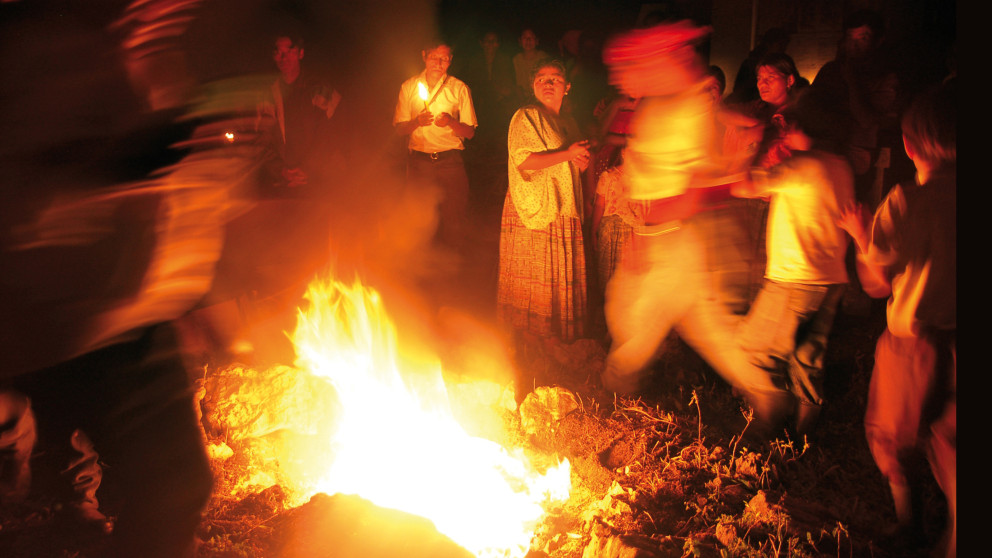
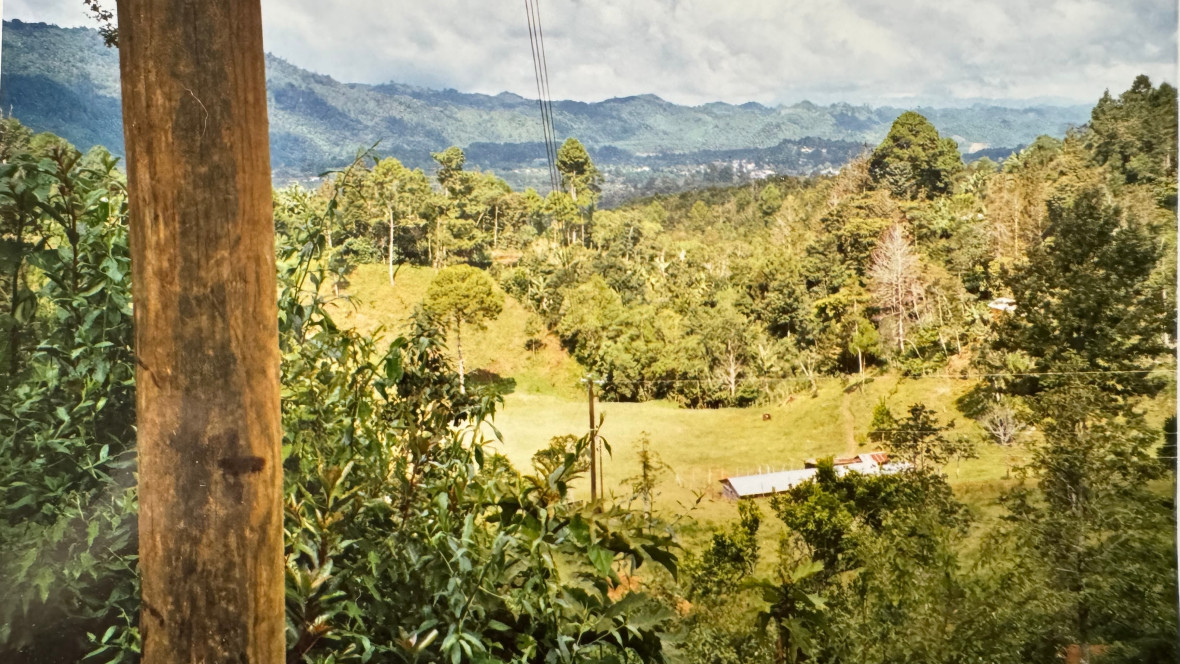
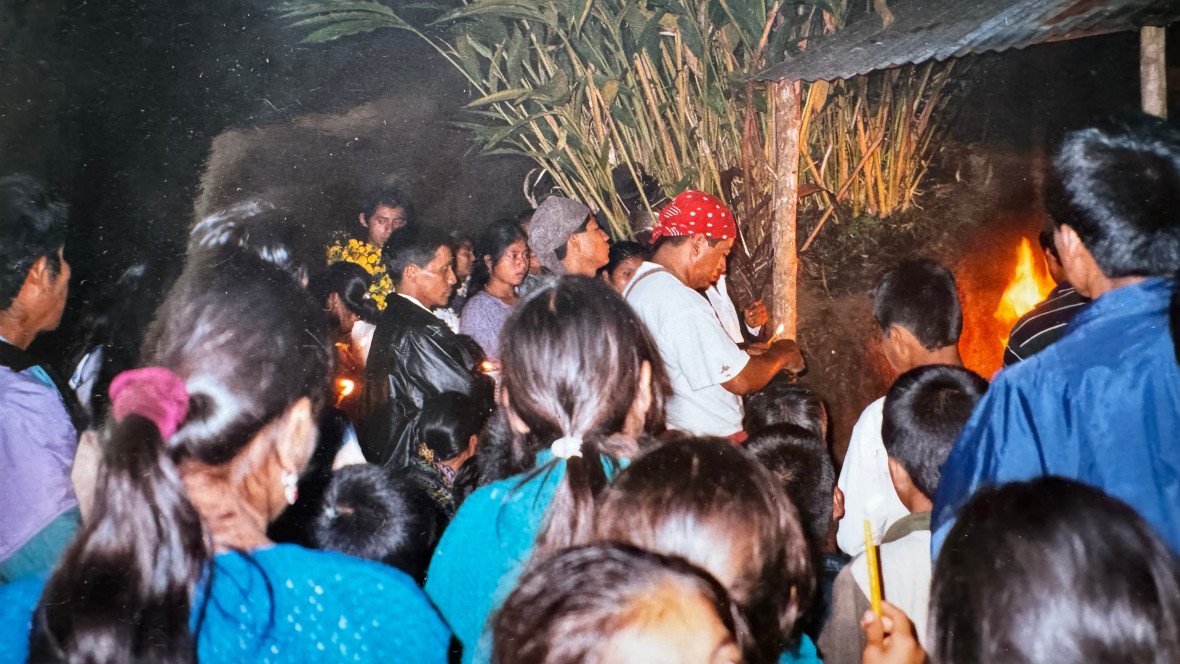
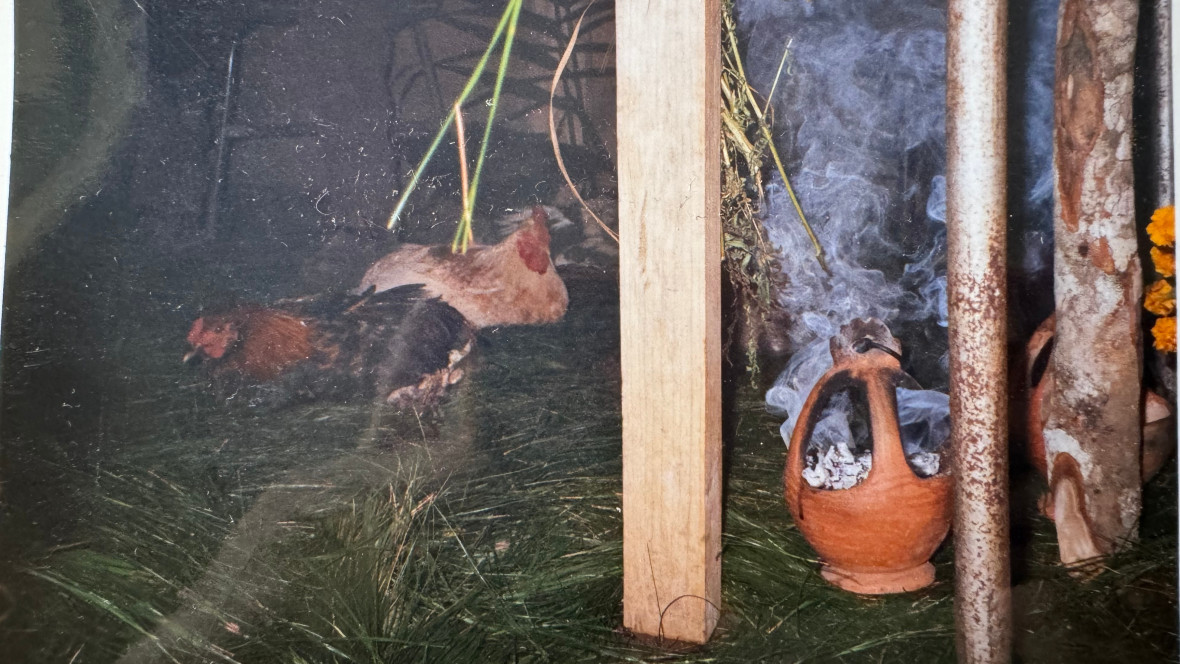
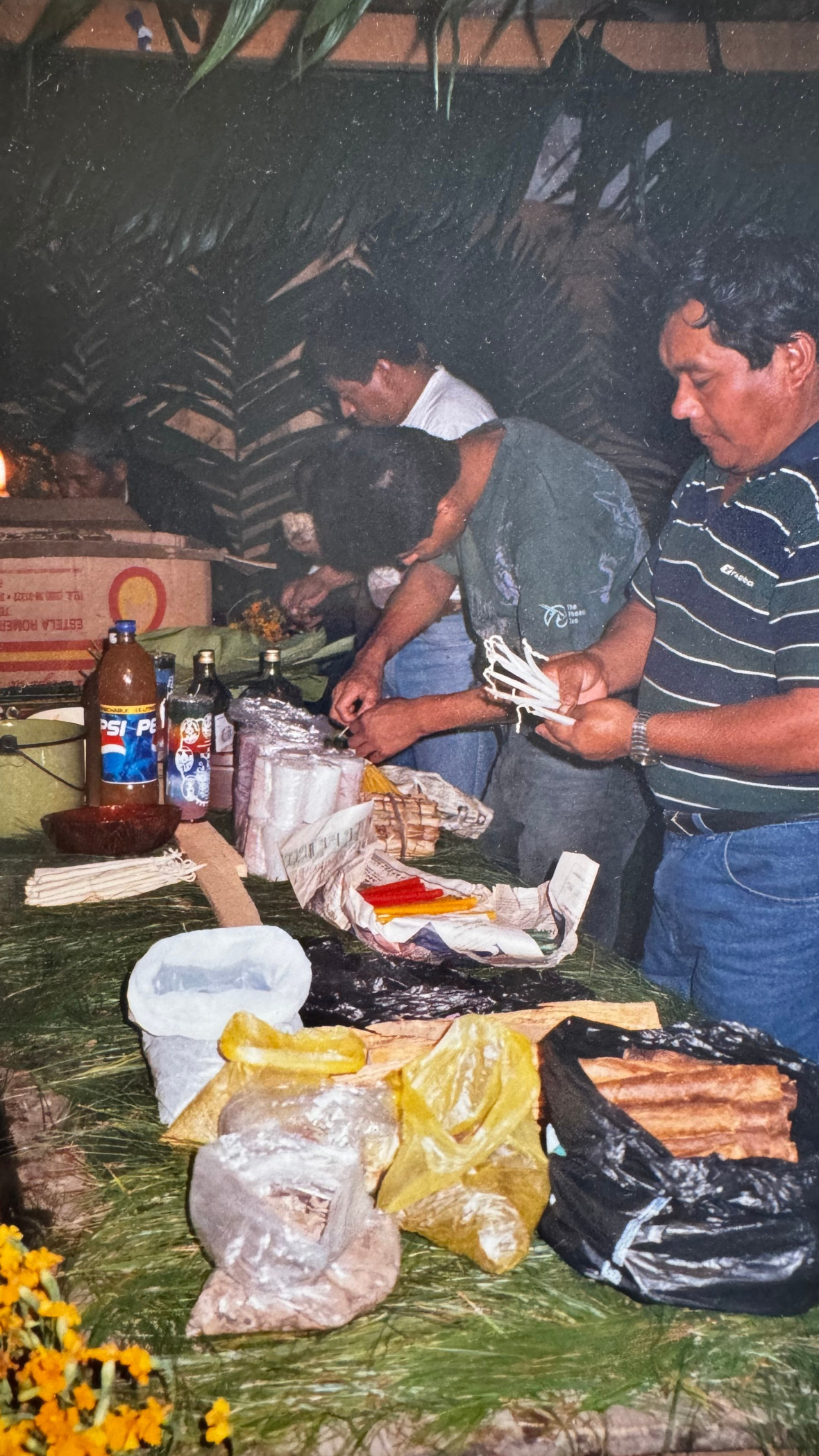
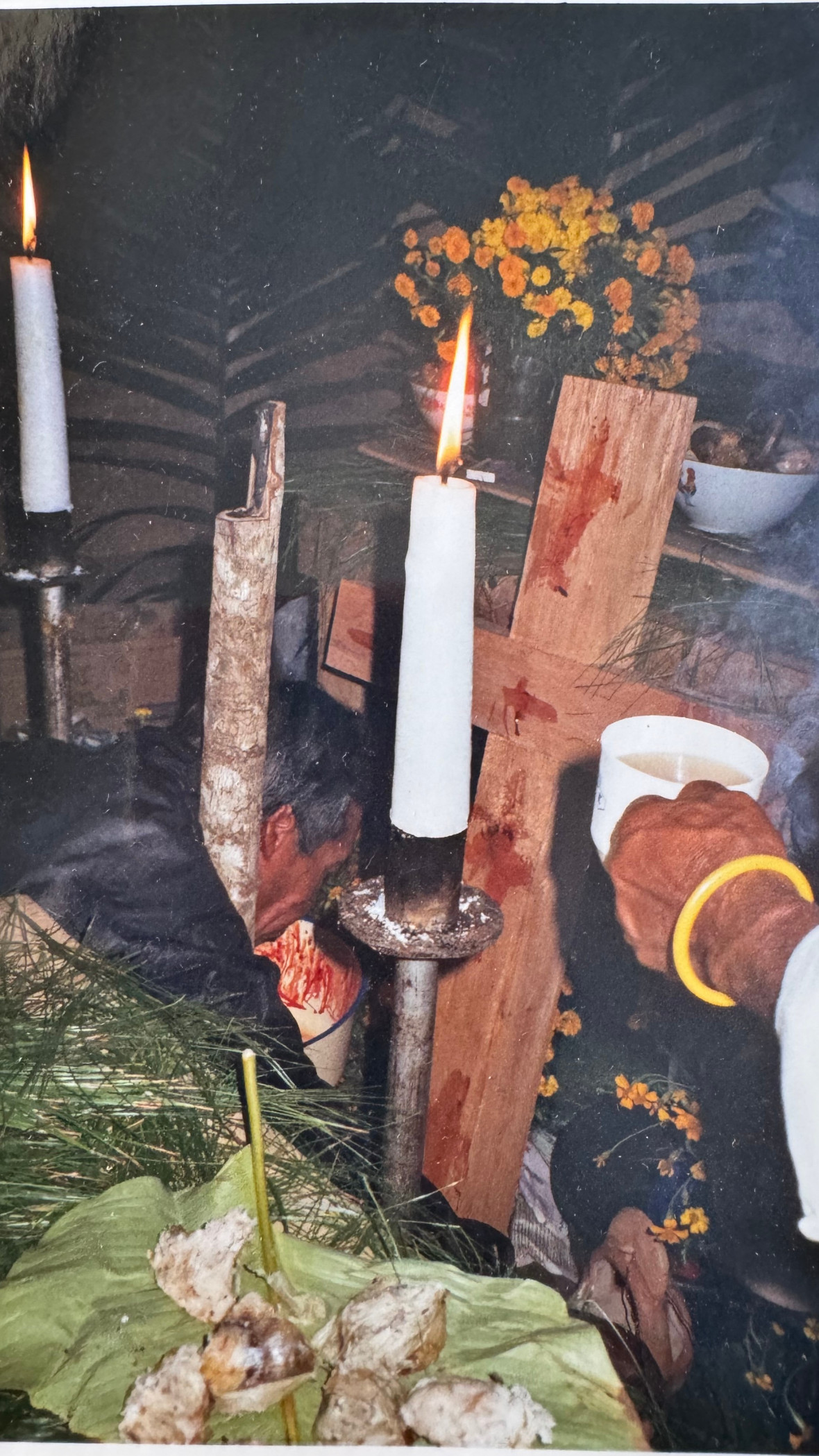
This was not the first-time land had asked something of me. Nearly twenty-five years earlier, as a young anthropology student in Chicoj Raxquix, Guatemala, I took part in a wa'tesinq, a ceremony to feed the Tzuultaq'a, the Mountain-Valley, before the village's first electricity poles could be switched on. Elders drew blood crosses on offerings, burned copal incense, and shared a fermented drink, asking the Mountain-Valley's permission before the poles were connected.
Watching the sunrise that morning after the nightly ceremonies, an old Maya Q'eqchi' woman survivor of the armed conflict told me: “The Tzuultaq'a is God, because yoyo, it is alive.” At the time, I thought I was hearing a myth. Twenty years of return visits later, I understand I was hearing a methodology I had not yet been trained to recognise.
A fashionable word, a missing method
“More-than-human” has become a fashionable term in academia working on Anthropocene violence. It appears in conference titles, journal special issues and funding proposals across law and the social sciences, mine included. Yet, as other scholars note, while the concept is getting theorised, its methodological implications remain strikingly underexplored. It is easy to write “more-than-human” into a proposal. It is much harder to let a river, a mountain or a rock formation shape your research design.
Whose permission did we actually need?
In European research ethics, consent is something you obtain from people. You explain your project, a participant signs a form, and an ethics committee ticks a box. This matters, though it isn't enough.
In neither place was permission only about the humans present. It was about the land itself and its spiritual guardians. To Mamo Menjabin, as to the elders of Chicoj Raxquix, land is not a backdrop for research or filming. It is alive, with standing to say yes or no.
Decentring our own certainties
None of this fit neatly into a European data protection form. That is exactly the point. If we take Indigenous ontologies seriously, not as folklore filed alongside our own methods but as valid ways of knowing, we have to admit that Western research ethics was built for a world of human actors only. Climate crisis, extractive economies and species loss are compelling us to confront new questions: What do we owe to entities – visible and invisible - we were never taught to recognise as living beings at all?
I do not have a template answer. What I have is over two decades of land, rivers, mountains and rituals quietly reshaping how I do research, pushing me toward ethics as something you practise and feel, not something you file away once a form is signed.
The cotton balls are long gone, carried off by the Ariguani. The question they left behind has stayed with me since Chicoj Raxquix: who else needs to consent before we begin?
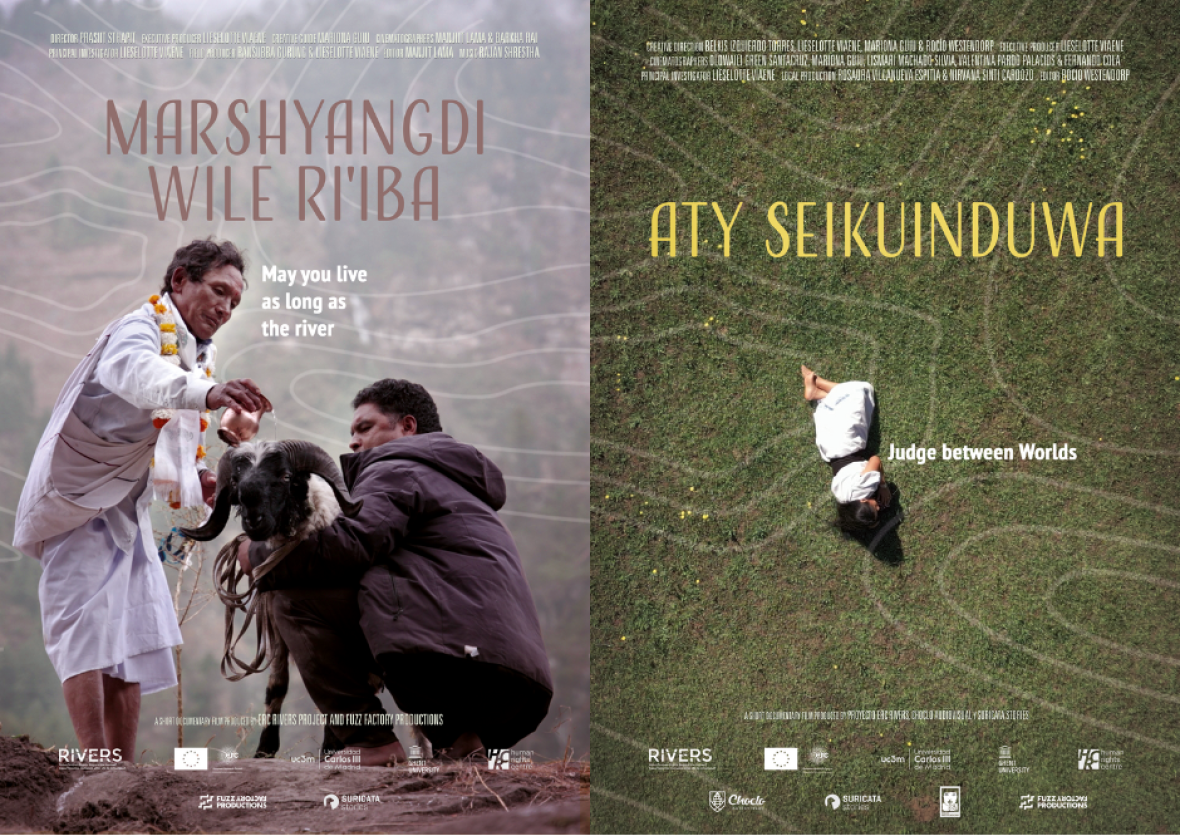
I explore this further in a recent article, “Law, more-than-human agency, and audiovisual storytelling: de-centring Western research ethics through working-class scholar-activism and embodied rituality” (International Journal of Law in Context, 2025). Our documentaries Aty Seikuinduwa: Judge Between Worlds (Colombia) and Marshyangdi Wile Ri'iba: May You Live as Long as the River (Nepal) follow the same questions on screen.
It is also one of the guiding questions behind the Relational Ethics Protocol for transdisciplinary research I am now co-creating at RIFS. From 22 to 25 September, colleagues from Nepal, India, Sri Lanka, Spain, Portugal, Belgium, the UK, Brazil and Germany — audiovisual artists and scholar-activists alike — will gather in Nepal for a four-day Living Lab retreat to test what relational ethics can look like in practice.