Local Value Creation and Participation in Renewable Energy: Regulatory Frameworks in Latin America and Europe (LOVPRELAE)
Duration

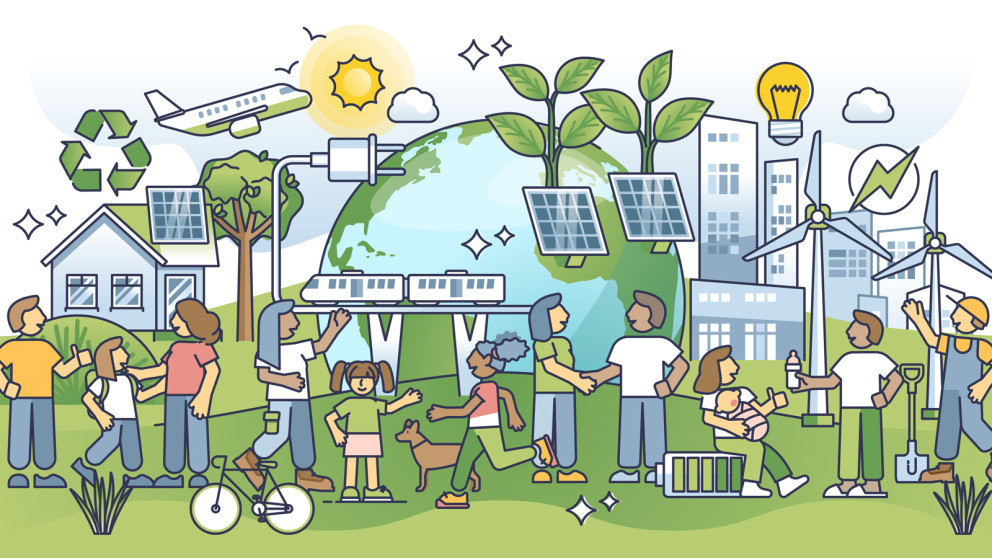
The energy transition is gaining momentum worldwide. As efforts to build out wind, solar, and grid infrastructure accelerate, this transformation is becoming increasingly tangible for local communities. However, this progress is also bringing conflicts to the surface, as diverse interests, expectations, and concerns collide.
To address these challenges, many countries are turning to various forms of citizen and community participation. The design and implementation of these approaches, however, are shaped by their respective political, institutional, and local contexts. Increasingly, participation is also being linked to broader questions of distributive justice, local value creation, and social inclusion. At the heart of these debates lies the challenge of ensuring a fair distribution of both the benefits and burdens of the energy transition, enabling meaningful community involvement in decision-making, and retaining a greater share of the value generated by the transition within local economies.
This international research project examines how different participation models and regulatory frameworks shape the development and outcomes of renewable energy projects in Germany, Turkey, Brazil, and Peru.
In particular, the project addresses the following research questions:
- What mechanisms can empower local communities and citizens to actively participate in, and benefit from, the transition towards 100% renewable energy systems?
- What are the key differences and similarities in the regulatory frameworks for procedural and financial participation in the four countries studied?
- How can participation processes be evaluated alongside economic and ecological aspects of renewable energy projects?
- What lessons can be learned from real-world participation experiments in both regions?
The researchers at RIFS are responsible for the overall coordination of the project, as well as the conceptual and methodological framework, and the analysis of policy and regulatory contexts. They are also conducting case studies in Germany, supporting the international comparison, and contributing to the evaluation, communication, and dissemination of the results. A particular focus is on knowledge transfer between the participating countries and the development of evidence-based recommendations for a just and participatory energy transition.