DAAD Artists’ Programme: What volcanoes tell us about a changing world
29.07.2026
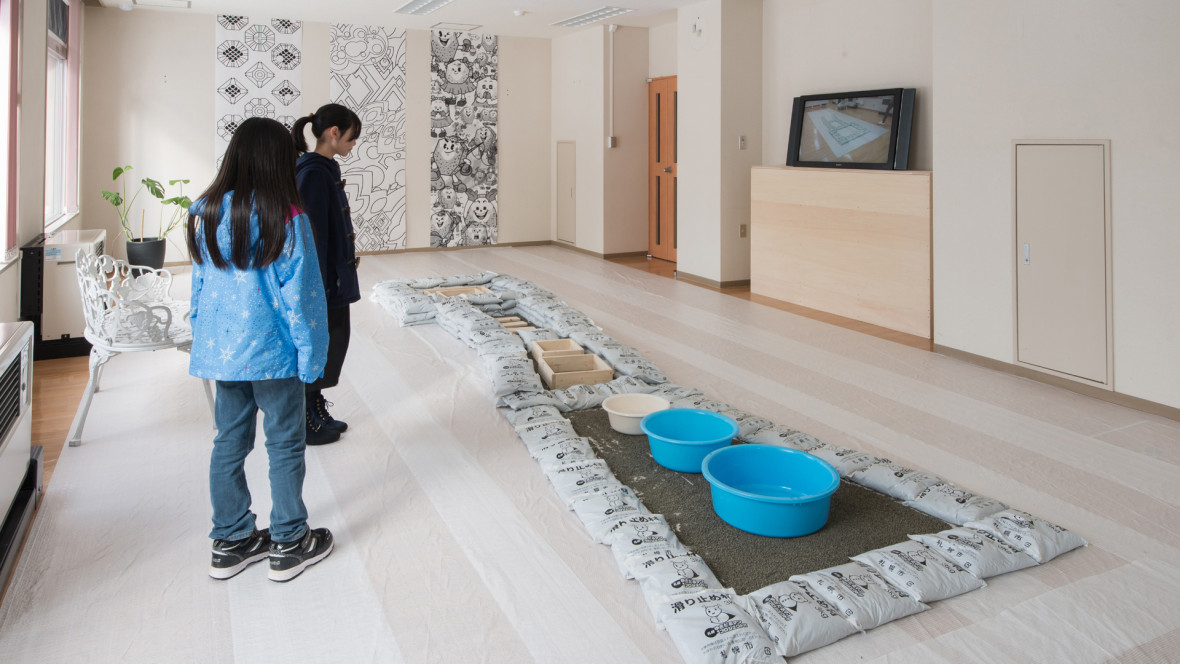
As a child, Mica Cabildo witnessed the effects of the 1991 eruption of Mount Pinatubo in the Philippines, an experience that would later shape her artistic practice. As a fellow at the Research Institute for Sustainability at GFZ (RIFS), Cabildo is now investigating how personal experiences of volcanic activity intersect with societal debates on climate engineering. Her project, entitled ‘We Shall Meet at the Mouth of the Volcano’, aims to create a multimedia artwork in collaboration with people from volcanic regions and scientists. Cabildo's Fellowship is funded by the ‘Planetary Transitions: Potsdam Artist Residency’ programme, a collaboration between the DAAD, the City of Potsdam and the RIFS.
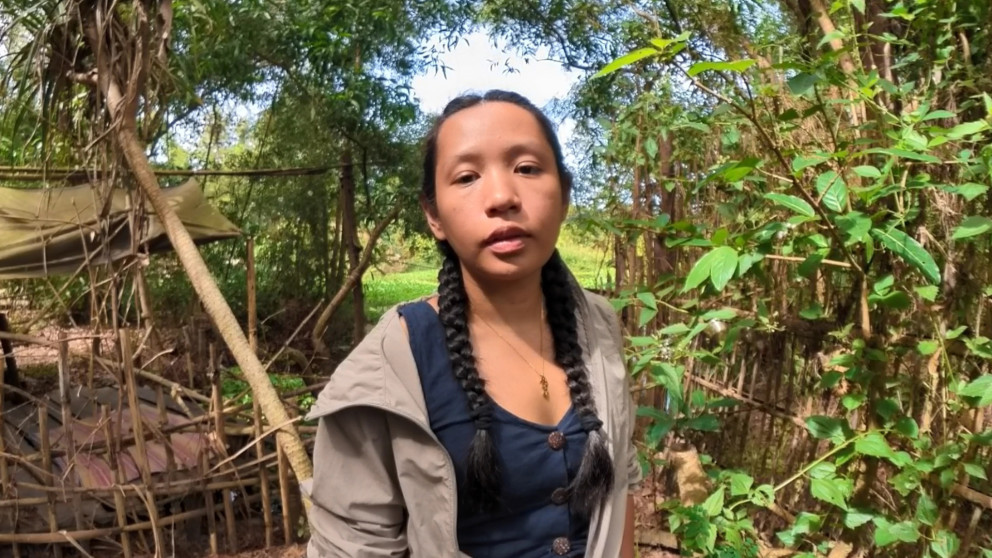
A meeting at the mouth of a volcano, of all places? For Mica Cabildo, this image evokes a multitude of associations. “In scientific debates on climate change, it has become clear to me that we are gradually reaching a point that is just as perilous as this meeting place. At the same time, in many communities in the Philippines and Indonesia, volcanoes are regarded as the dwellings of gods and ancestors, as gateways to another world. This perspective can inspire us to imagine more desirable futures.”
Cabildo’s artistic practice combines research with conversations with local communities and engagement with literature. Previous international residencies have taken her to Akademie Schloss Solitude in Stuttgart, Gasworks in London, and institutions in Japan and Taiwan. Working across multiple media, she creates installations, photographs, prints, and audio pieces.
Tradition and Technology
Since arriving in Potsdam, Cabildo has begun to establish contact with people from countries in the Pacific Ring of Fire living in Berlin and the wider region. In interviews and workshops, participants will describe their personal experiences of volcanic eruptions, family histories, and the cultural traditions of their communities.
The artist intends to weave the participants’ contributions together with stories of weather-making traditions from around the world. “Such practices can be found in virtually all world regions, where they are linked to very different spiritual and religious backgrounds. In Shakespeare’s The Tempest, for example, there is the magician Prospero, who can conjure up storms with the help of a book. This book resembles the collected knowledge of a scientist. In Central and South America, the Maya, Aztecs and Incas practiced complex rituals of rainmaking and sun worship. On the island of Luzon, where I come from, there are a number of rituals designed to appease volcanoes.”
Current discussions on climate engineering technologies will also be integrated into the multimedia artwork. At RIFS and the GFZ Helmholtz Centre for Geosciences, Cabildo is engaging with scientists working on systemic risks, volcanology and climate engineering, including solar geoengineering approaches inspired by volcanic eruptions. The latter aim to temporarily cool the Earth’s climate by injecting aerosols or their precursors into the atmosphere to reflect solar radiation back into space.
Science and lived experience
Cabildo is interested in what happens when different forms of knowledge intersect – for instance, the scientific analysis of volcanic eruptions and the lived experiences of local populations. “A volcanic eruption can lower global temperatures for a certain period of time. But if you have experienced the eruption yourself – or if your own community has lived through it – you see something quite different. You see displacement, destruction and loss.”
As part of her residency, Cabildo will also produce a limited edition of prints using risography and digital printing. The series, titled Unidentified Tropical Event, is based on German illustrations of alchemy, witchcraft and cosmogony from the 15th to17th-century – an era in which Europe was in the grip of the so-called Little Ice Age. Through this work, she seeks to connect historical conceptions of weather and climate with contemporary debates on the intentional manipulation of Earth's systems.
More information:
- Mica Cabildo's website: https://mica-cabildo.com/
Impressions of Mica Cabildo's work
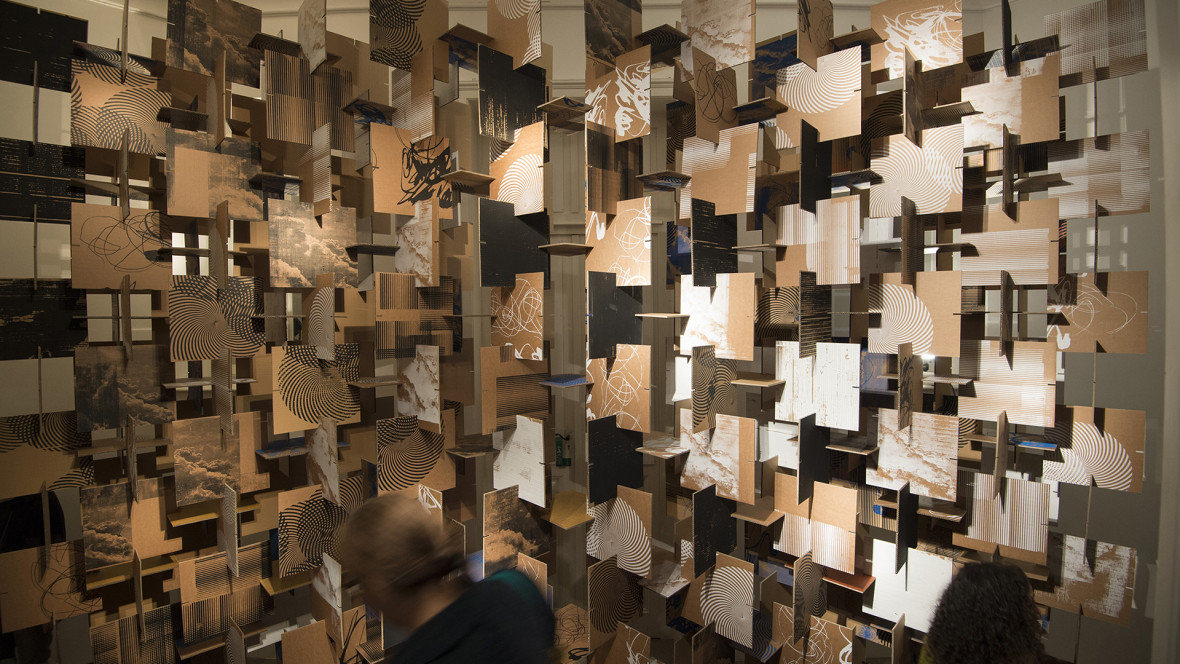
![Cloudrunner: The Pinatubo Field Guide to Solar Geoengineering (2023), Adaptive Radiations Working Group [Mica Cabildo and JM Quiblat], Akademie Schloss Solitude and SAVVY Contemporary Berlin](/sites/default/files/styles/content_image_full_width/public/2026-07/mica-03-cloudrunner.jpg?itok=xh6wdWhw)
Contact