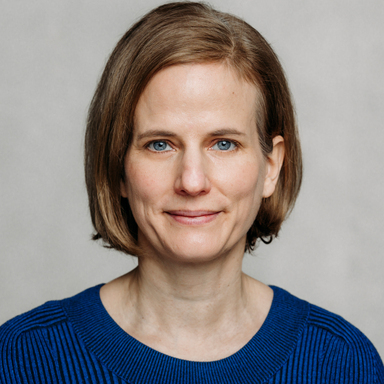
RIFS Fellowship: Stephanie La Hoz Theuer explores the future of carbon pricing
25.06.2026
When Stephanie La Hoz Theuer first came across carbon pricing (also known as CO₂ pricing) during an internship in 2005, she thought it was little more than “a niche topic”. But the deeper she delved into the subject, the more her interest grew – and that “niche topic” has since became the central theme of her career. An expert on climate policy, La Hoz Theuer is now embarking on a year-long fellowship at RIFS, where she will investigate how carbon removal and sequestration by forests and agriculture can be taken into account in emissions trading and carbon taxes.
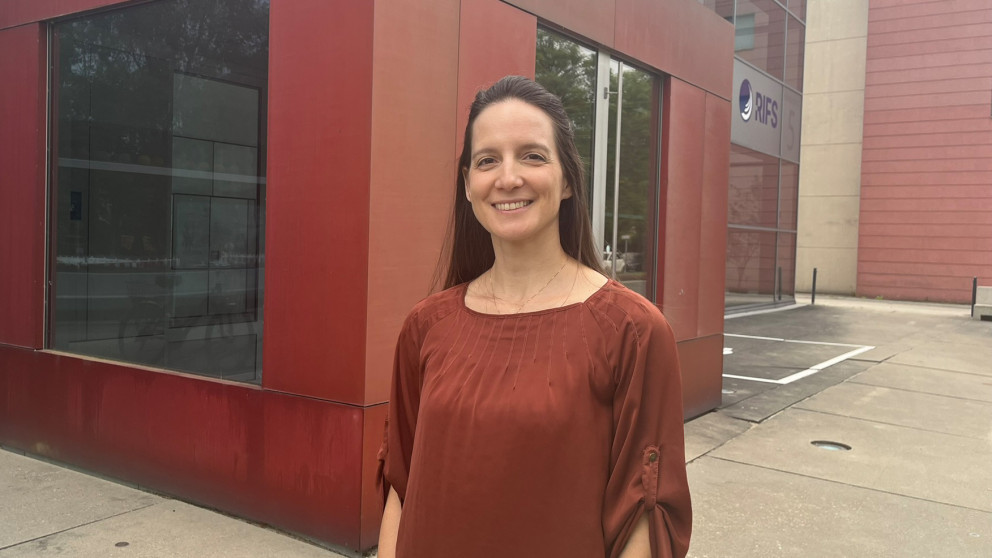
Carbon taxes and emissions trading schemes aim to reduce emissions by making it more expensive to emit greenhouse gases. However, simply reducing emissions is no longer sufficient to achieve the climate targets adopted in the Paris Agreement. Experts agree that measures must be taken to actively remove carbon dioxide from the atmosphere and store it permanently.
La Hoz Theuer points out that only a small proportion of global carbon pricing instruments currently incorporate carbon removal to any meaningful extent. “Data from the World Bank indicates that very few instruments – perhaps as few as one in nine – integrate approaches for carbon removal and storage. These typically prioritize nature-based solutions, particularly land-use measures such as forest conservation, restoration, and afforestation. Technical approaches involving carbon dioxide capture from the atmosphere are not yet included, although some jurisdictions are working towards implementation.”
The researcher’s project revolves around three key questions: Why have some countries and regions chosen to integrate nature-based carbon removal into their carbon pricing systems? What effect has this had? And what lessons can be learned to inform the design of future policies? The countries and regions examined include New Zealand, California, Colombia, Australia, China, and Quebec.
Times is of the essence
La Hoz Theuer considers RIFS to be particularly well-suited to her interests due to its focus on generating findings to support policy development. Throughout her career – which has taken her from working in companies in her home city São Paulo and in Zurich to the United Nations Climate Secretariat in Bonn and finally to the think tank Adelphi in Berlin – she has maintained close contacts with policy-makers involved in the design and reform of carbon pricing systems.
Stephanie La Hoz Theuer intends to develop her findings through a combination of literature and document reviews, case studies, and expert interviews. Workshops with RIFS researchers and members of the International Carbon Action Partnership (ICAP) – a network comprising over 40 governments that share experience and expertise on emissions trading schemes – are intended to facilitate the translation of these findings into practical guidelines.
Time is of the essence, says the researcher, as many countries are currently developing new climate policy instruments. “I want my research to reach policy-makers while it’s still useful.” For example, the Brazilian government is currently working on setting up an emissions trading scheme.”
Opportunities and risks
Including nature-based approaches to land-use carbon removal sinks in carbon pricing schemes can unlock additional funding for nature conservation and reduce the costs of achieving climate targets. However, these approaches also raise significant concerns, as Stephanie La Hoz Theuer explains: “Forests are susceptible to fires, diseases, and changes in land use. When calculating carbon balances, we have to rely on the best available estimates, and there are important questions regarding land rights and the rights of Indigenous communities.”
According to La Hoz Theuer, these complexities make her research project all the more necessary. She aims to identify not only the conditions under which carbon pricing can effectively contribute to forest conservation and carbon removal, but also to develop recommendations on when alternative approaches are more suitable.
Contact

Stephanie La Hoz Theuer