Resilience and Resistance Are Not Mutually Exclusive
06.08.2026
Resilience is often understood as the capacity to adapt to difficult circumstances rather than as a form of resistance to existing structures. A new study by scientists from the Research Institute for Sustainability at GFZ (RIFS) and the Universitat Oberta de Catalunya challenges this assumption. Analyzing nine self-organized spaces in Barcelona, the research shows how participation strengthens both individual and social dimensions of community resilience while simultaneously mobilizing resistance against the status quo.
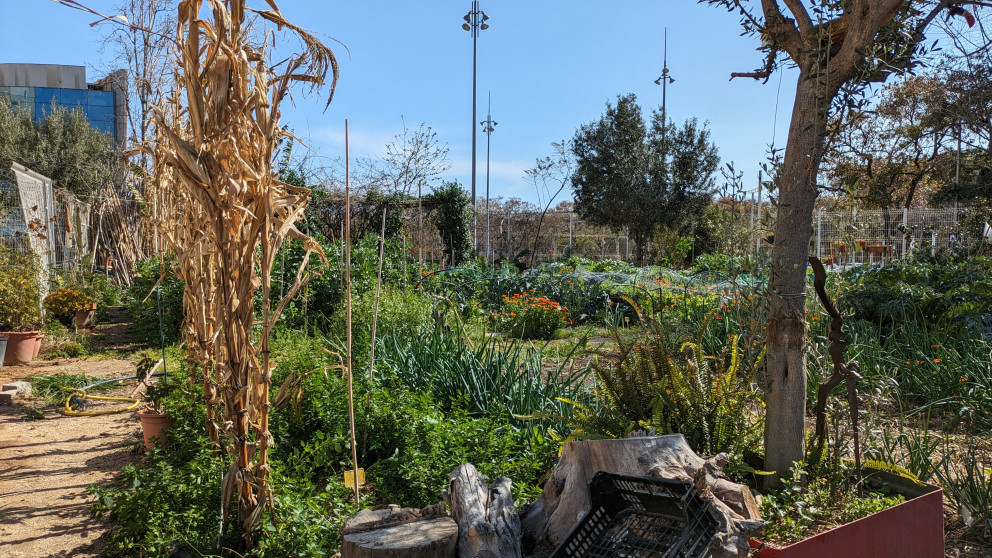
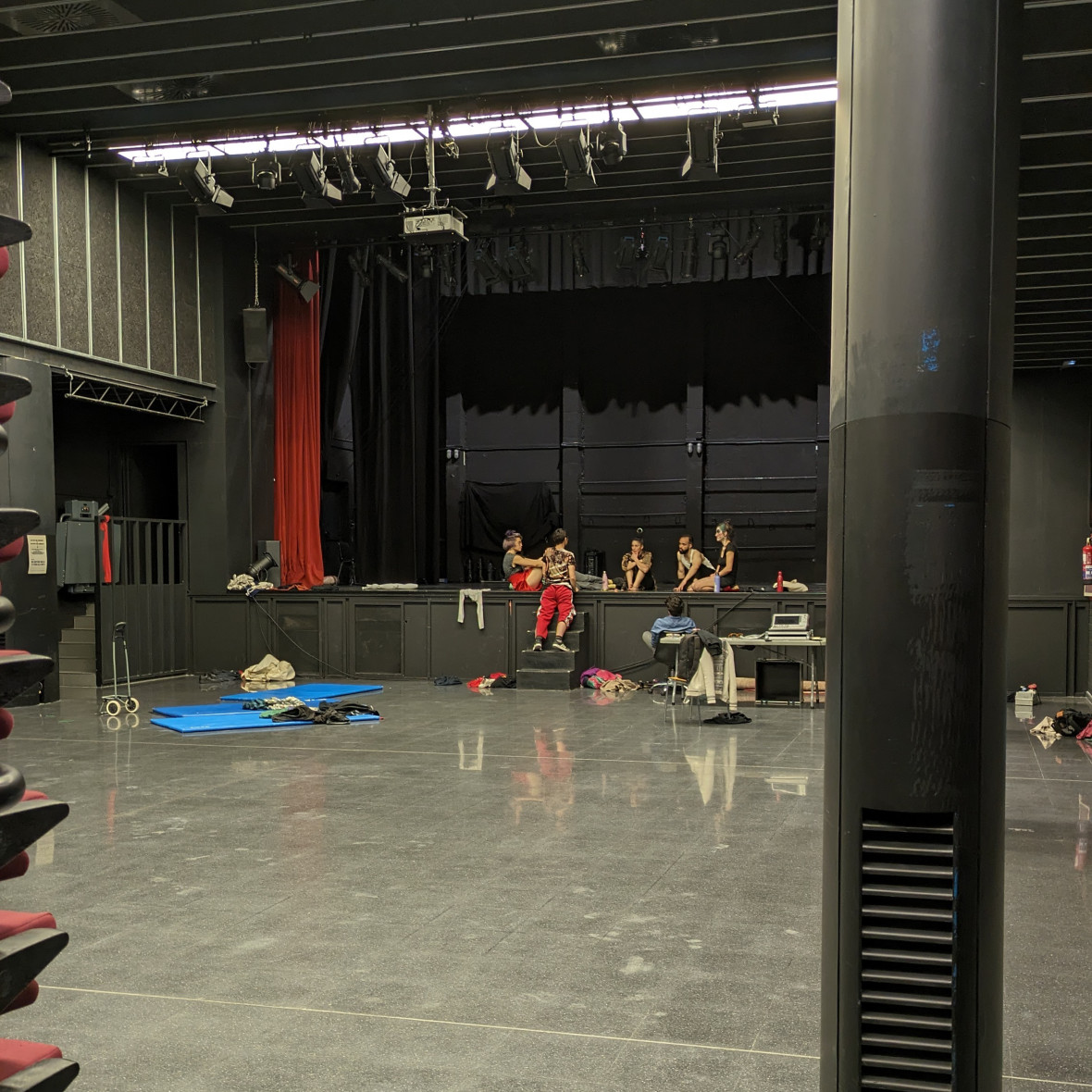
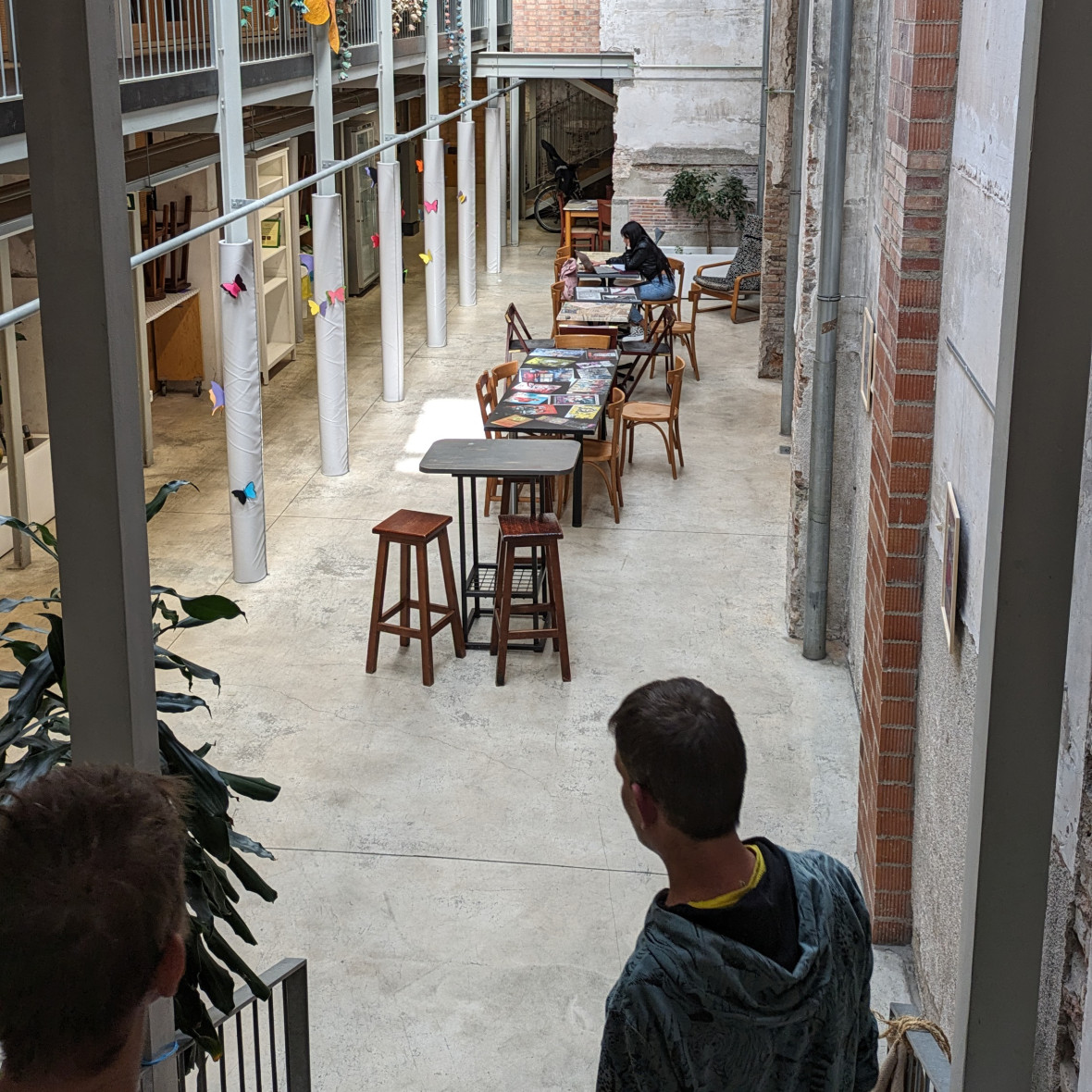
The study examines "claimed spaces"—self-organized environments created and managed by citizens. These include community gardens, self-managed cultural centres, and grassroots neighbourhood projects. Many of these spaces emerged as a response to social inequality, gentrification, or other developments deemed problematic by local communities. In many cases, resistance manifests not only through protest but through the creation of alternatives. These initiatives develop their own organizational forms, establish spaces for collective action, and strengthen local communities.
“We understand resilience as the ability to flourish amidst constant change—not merely through adaptation, but through the transformation of existing structures,” explains lead author Nicolina Kirby (RIFS). “Our analysis shows that “claimed spaces” strengthen the individual and social dimensions of resilience in particular. Participants develop a deeper sense of belonging, build robust social networks, and gain confidence in their ability to tackle challenges together.”
Across all studied initiatives, researchers identified five common characteristics that promote resilience: strong personal connections, working together despite differences, openness to the neighbourhood, different options for involvement, and education and learning.
Resilience enables resistance – and resistance creates space for resilience
The study shows that resilience and resistance are inextricably linked within these communities. The skills and social bonds developed through participation help individuals sustain collective engagement over the long term. Conversely, many of these spaces originate from a fundamental resistance to existing structures.
The findings highlight a key distinction between these spaces and opportunities for participation initiated by local authorities or other institutions, which are often limited in time or scope. In self-organized spaces, it is the participants themselves who decide which issues are relevant, how they organize, and what structures they wish to build. Consequently, participation becomes an integral part of everyday life rather than a one-off event.
Because the studied spaces are largely owned by the City of Barcelona and managed by civil society, collaboration with municipal authorities is necessary. This dynamic was perceived differently by various interviewees; as Kirby notes, “While collaboration can be highly productive, unequal power dynamics can also stifle resistance, particularly when it involves open protest against the current city government.”
Infrastructure for democratic participation
From the researchers' perspective, self-organized spaces are more than mere venues for civic engagement; they constitute a vital infrastructure for community resilience and democratically empowered resistance. By acting collectively, developing knowledge and skills, and building alternative structures, people strengthen their ability to respond to—and actively shape—processes of social change.
The authors therefore advocate for strengthening the legal and financial frameworks for such spaces to secure their long-term viability without compromising their autonomy. Ultimately, the study concludes, resilient cities are not built through isolated pilot projects, but through long-term, collaboratively organized infrastructure. Central to this is a recognized partnership between the state, civil society, and cooperative actors, working together on an equal footing – while acknowledging and constantly re-negotiating the challenges of public-civic collaboration.
Kirby, N., & Pera, M. (2026). Claimed spaces of participation and their role in strengthening community resilience and resistance. Journal of Urban Affairs, 1–28. https://doi.org/10.1080/07352166.2026.2699121
Claimed Spaces in Barcelona
Contact