Community Energy and the Energy Transition: Why an Enabling Environment Matters
10.06.2026
Community energy projects enable citizens, businesses and public institutions to generate and consume renewable energy. According to many experts, they are crucial to securing a democratic and just energy transition in Europe. Where are they fulfilling their potential, and where is there room for improvement? A special issue of the journal GAIA, edited by RIFS researcher and project leader Jörg Radtke, examines these questions.
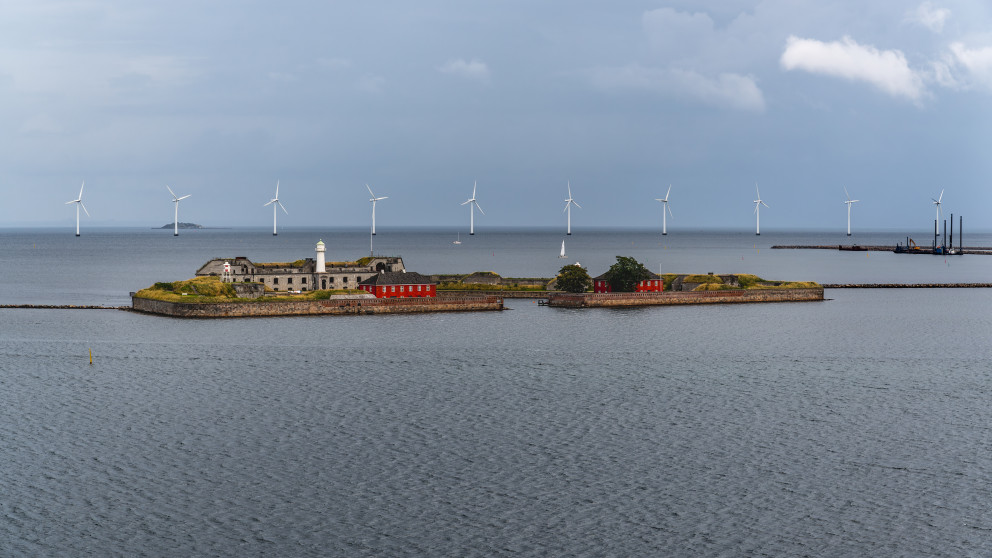
Scandinavia is widely regarded as an international role model for ambitious energy transitions: Denmark and Sweden have a 90% share of renewables in their electricity mix, Norway almost 100%. Benefit-sharing and participation in energy transitions is also a high priority in the Nordic countries. So, should the rest of Europe be taking its cues from the Scandinavian model?
The authors of the special issue examine participatory energy policies and practices in Denmark, Germany, Finland, Norway and Sweden. While all of these countries are pursuing ambitious energy policies, they do not implement EU concepts such as citizen energy in a uniform manner, but rather in accordance with their national regulations, ownership rules, and tariff and grid structures. The case studies analysed in the special issue make it clear that energy communities do not automatically lead to more democracy or social justice, but require appropriate regulatory environments.
The special issue focuses on three research areas: energy communities, energy democracy and energy justice. Research on the Danish experience highlights the benefits of earlier and more strategic engagement of communities through stronger local leadership and planning processes ahead of projects. Comparative studies from Germany and Sweden demonstrate how differing political developments have shaped citizen energy initiatives, leading to the emergence of distinct types of energy communities in each country. An analysis of conflicts surrounding wind power in Norway illustrates how renewable energy projects can undermine democratic legitimacy if local and Indigenous communities bear the burden of accelerated decision-making, delayed legal processes, and exclusion from knowledge production. This highlights that while there are many paths to success, strategies are only effective when they are context-sensitive and responsive to local conditions.
What lessons can be learned from the Nordic experience with energy communities? In their conclusion, the authors argue that delivering a democratic and just transition depends on empowering communities to participate meaningfully and in a timely manner, distributing benefits and burdens fairly, establishing legal frameworks that support collective action, and recognizing affected groups as legitimate knowledge holders and political actors.
The authors call for a more realistic approach to energy democracy, emphasizing that it must be actively cultivated, negotiated, and safeguarded. This presents a twofold challenge: establishing enabling environments at both national and EU levels to promote energy communities, and ensuring local participation. Ultimately, success depends on the commitment of engaged citizens across a democratic Europe.
Radtke, J., Borch, K. (Eds.). (2026). Northern Lights of Energy Democracy: How Community Energy Drives Northern Europe's Green Transition. GAIA – Ecological Perspectives for Science and Society, 35, 2: 96-136.
Contact